
How to Set Up a Home Conditioning Space
Plan the clear area, anchor position or travel lane needed for a power bag, battle rope or sled.
By IRONINDEX · How we research
Introduction
Conditioning equipment can be small in storage and take up much more space in use. A power bag needs a clear movement area, a battle rope needs an anchor and a path for the rope, and a sled needs space to travel and stop.
The same room can suit one of those layouts and leave too little space for another. The useful comparison is the full working area, alongside the equipment’s stored footprint.
What to consider
- 01
Clear area around the user
The movements planned for a bag determine the space it needs. The working area includes the path of the bag and room to set it down without blocking access.
- 02
Rope length and anchoring
The usable rope length, anchor position and maker-approved attachment method determine the layout. Space is needed for rope movement as well as for the user.
- 03
Sled travel and stopping space
A lane includes room to start, stop and reset at each end. Frame size is only one part of the width needed once the user and handles are included.
- 04
Surface and storage
The chosen equipment and movement determine what surface is suitable. The stored equipment still needs a place outside the working area and clear of doorways.
Buying advice
A clear area, an anchor or a lane
A bag can be stored off to one side and moved into an open area. A rope layout starts at the anchor, so its working path can cut across a room even when the coiled rope stores neatly. A sled adds a travel lane and space at both ends.
For the pictured rope, the description gives 15 m and the dimensions block gives 40 cm without explaining what it measures. That leaves the usable length to confirm before choosing an anchor position.
Storage and working size
The pictured wheeled sled has a maker-stated upright storage footprint of 71.4 × 59.8 cm. Its frame is 115 cm long in use. The available lane still needs to account for the user, the handles, stopping and the permitted surface.
Catalogue examples
Use these specification profiles to apply the checks above. They are not hands-on reviews, rankings or a confirmed compatible package.
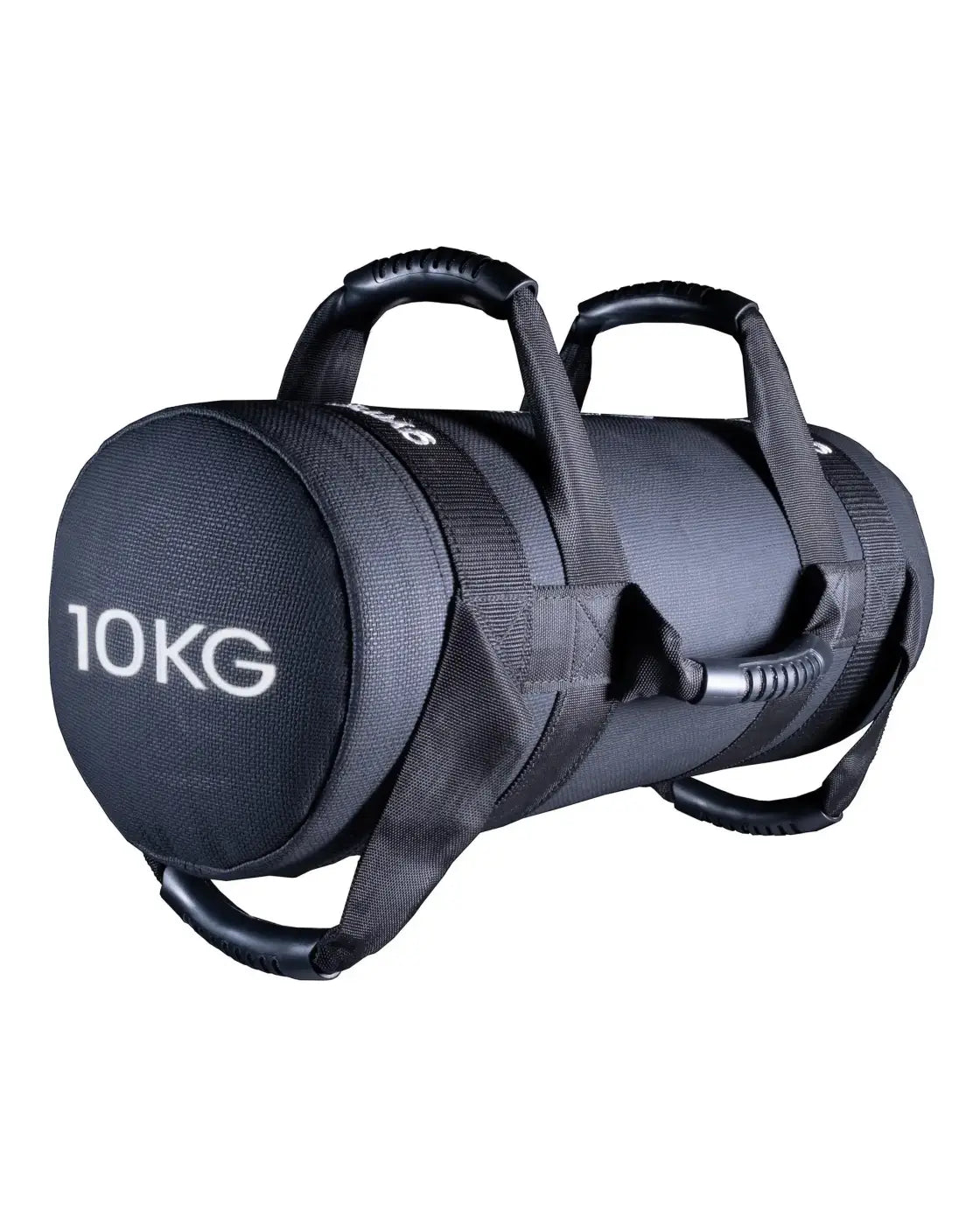
One 10 kg power bag; no storage rack is included. A bag for a clear movement area
Gym Gear Power Bag, 10 kg
The maker describes six handles. The 10 kg bag’s dimensions and filling are unpublished.
Specifications, source links and outstanding checks in the full profile.
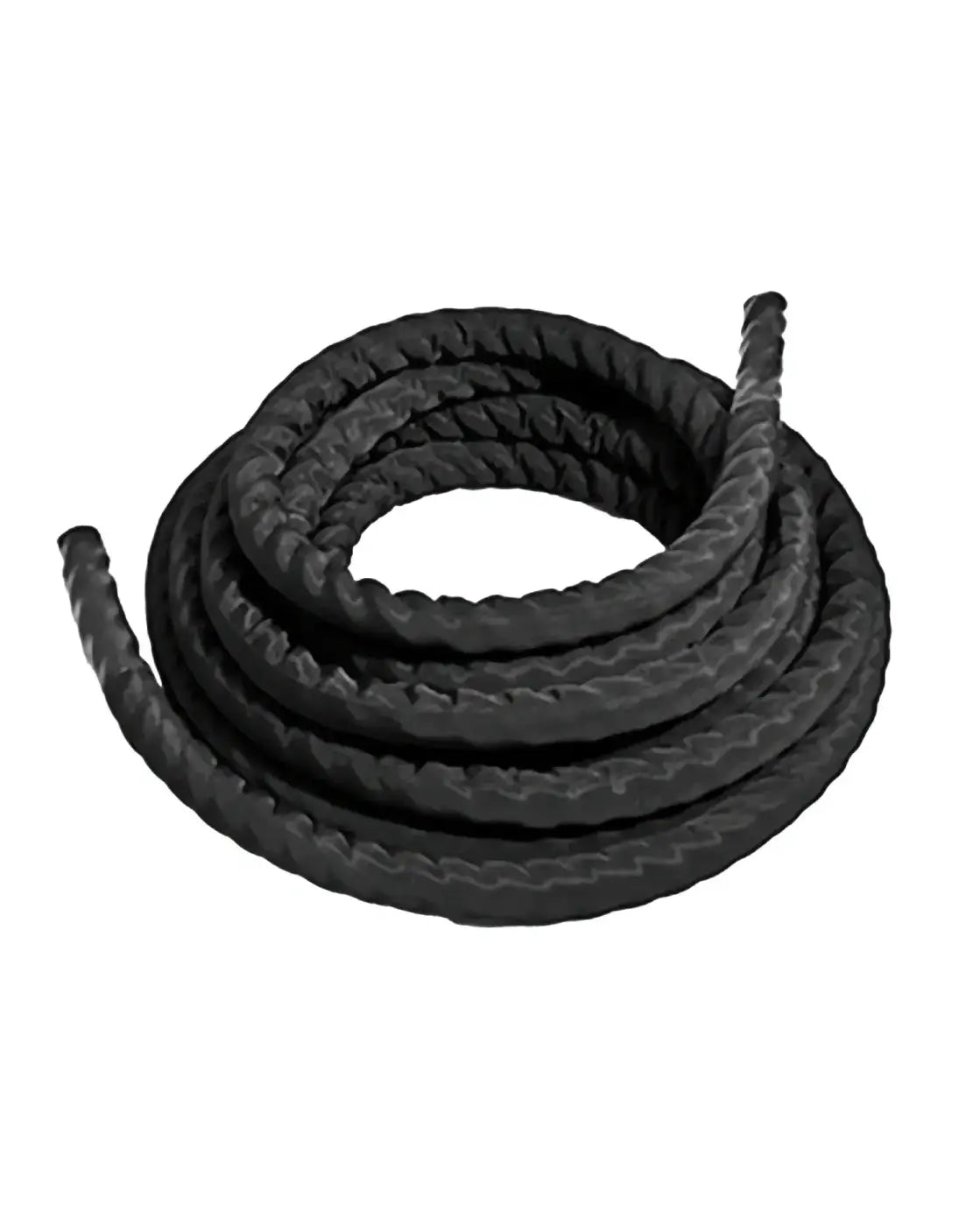
An anchored rope path
Gym Gear Battle Rope, 38mm
Gym Gear gives conflicting length and depth information. The working length and anchor requirements need confirmation.
Specifications, source links and outstanding checks in the full profile.
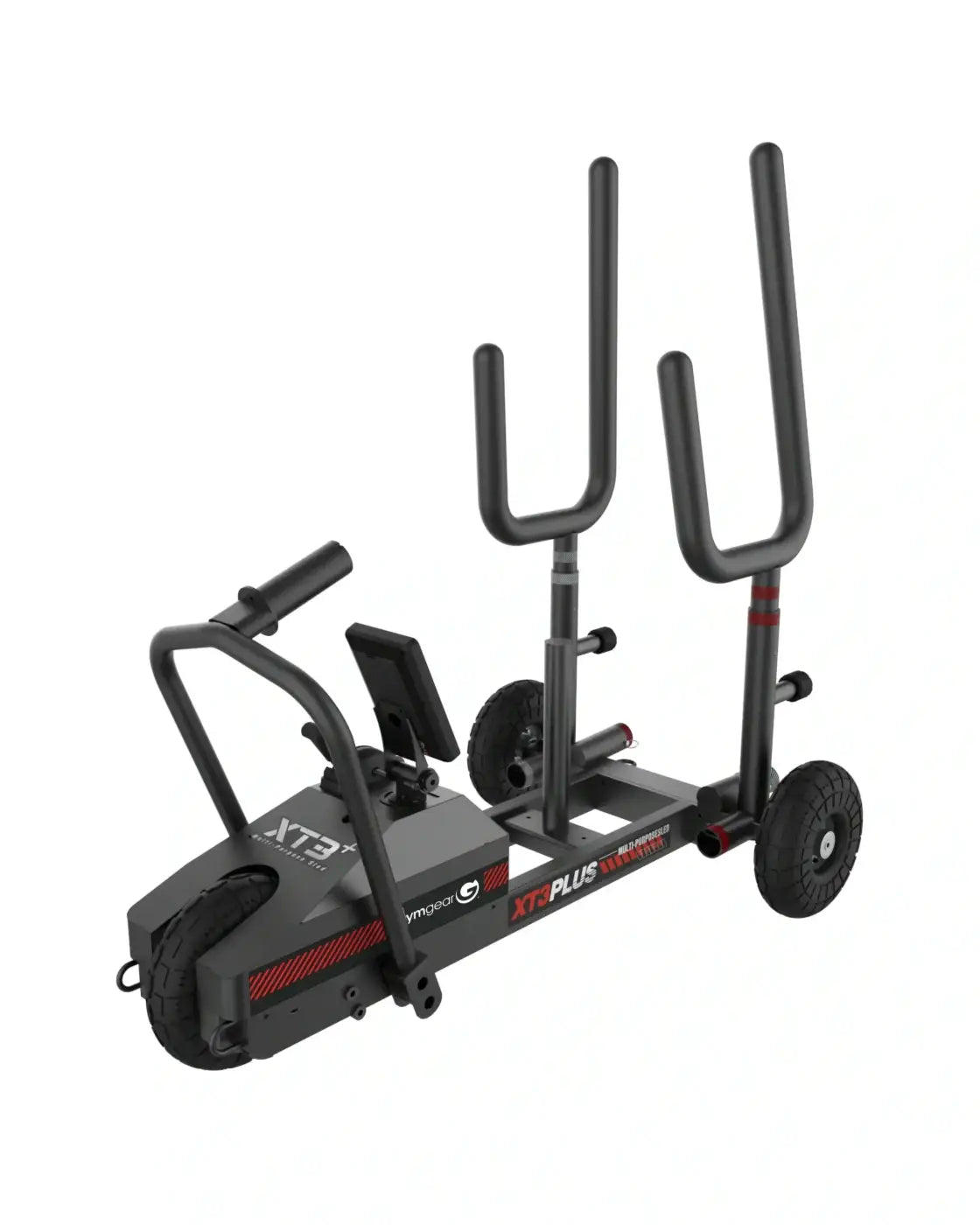
A travel lane with separate storage
Gym Gear XT3 Plus Sled V2
The wheeled sled uses magnetic resistance and stores upright. Its published storage footprint does not establish the travel space.
Specifications, source links and outstanding checks in the full profile.
Conclusion
The layout starts with the space that stays clear while the equipment is in use. A bag, rope and sled ask different things of the room, even when each can be stored out of the way.
The purchase depends on whether the usable space fits the movement, surface and any anchoring requirements. Storage and access can be planned separately once those conditions are established.
Sources
Primary references used for factual claims in this guide. Product specifications apply to the named model and version.
- Gym Gear Power Bag, 10 kg: product specifications
Gym Gear. Accessed 24 Oct 2026.
- Gym Gear Battle Rope, 38mm: product specifications
Gym Gear. Accessed 12 Oct 2026.
- Gym Gear XT3 Plus Sled V2: product specifications
Gym Gear. Accessed 14 Oct 2026.