
Three 20 kg Bumper Plates Compared
See how three bumpers of the same weight use different amounts of barbell sleeve space.
By IRONINDEX · How we research
Introduction
The 20 kg marking tells a buyer the nominal weight of one plate. Thickness determines how much space that plate uses on the sleeve. That difference accumulates when a bar carries several plates per side.
The table compares three plates at 20 kg. The stack figures apply to each side of the bar and leave the collar to be accounted for separately.
What to consider
- 01
Thickness at the chosen weight
The maker’s thickness for the 20 kg plate is the relevant number. A thickness for another denomination can give a different result.
- 02
Usable sleeve length
The working measurement runs along the area that can actually accept plates. Overall bar length leaves that dimension unknown.
- 03
Room for the collar
The collar needs sufficient sleeve engagement after the plates are fitted. The collar’s own requirements determine how much room to leave.
- 04
Platform and drop conditions
The maker’s surface guidance applies to the exact plate. A published drop test describes the plate test and leaves room suitability to be checked separately.
Buying advice
Sleeve space at the same weight
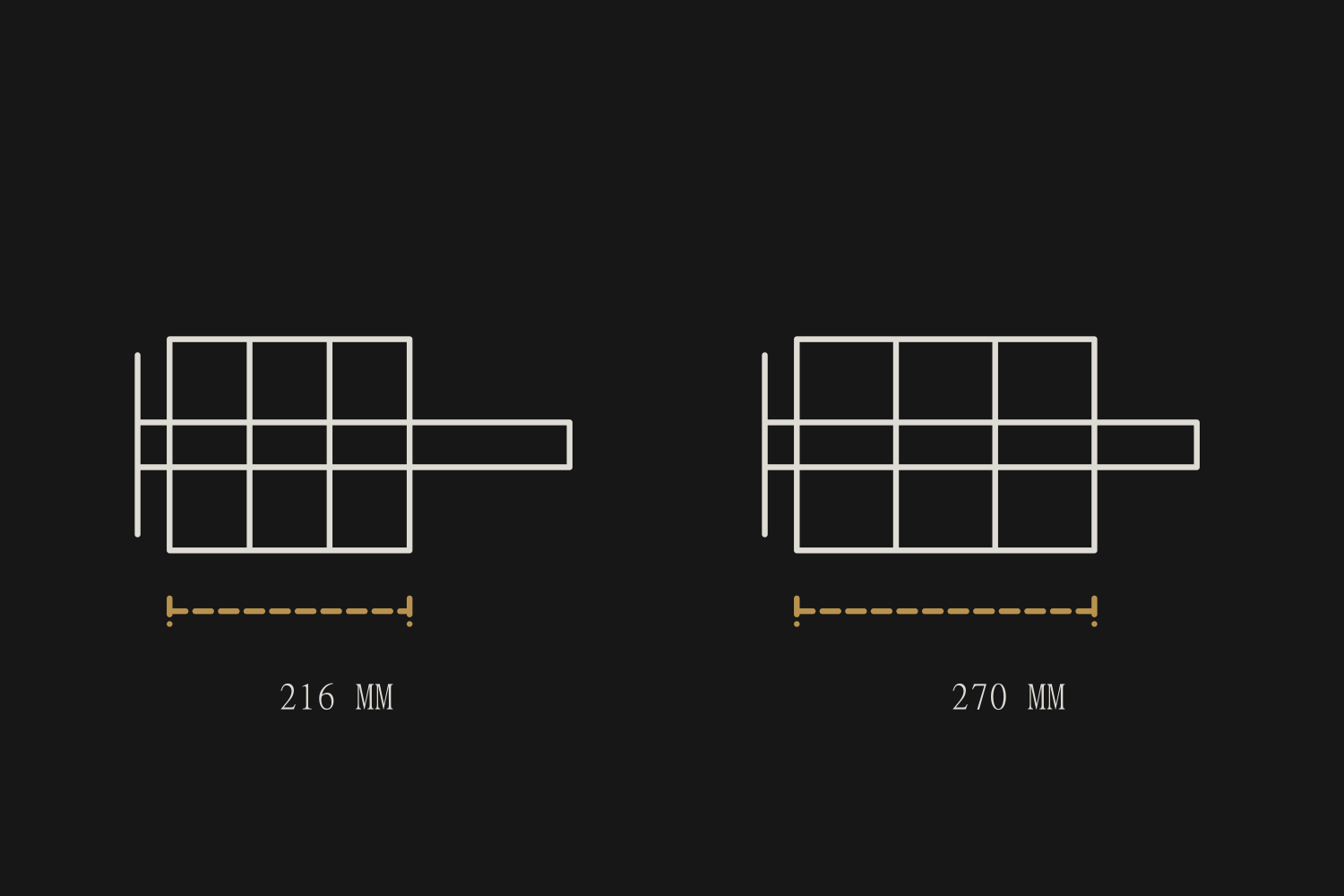
At 20 kg, the Black and Coloured bumpers are both 72 mm thick. The Hi-Impact plate is 90 mm thick. The additional 18 mm per plate becomes 54 mm across three plates on each side.
| Attribute | One plate | Two plates | Three plates |
|---|---|---|---|
| Black Bumper | 72 mm | 144 mm | 216 mm |
| Coloured Bumper | 72 mm | 144 mm | 216 mm |
| Hi-Impact Bumper | 90 mm | 180 mm | 270 mm |
Maker thickness and calculated stack length per side, before collars
Black Bumper
- One plate
- 72 mm
- Two plates
- 144 mm
- Three plates
- 216 mm
Coloured Bumper
- One plate
- 72 mm
- Two plates
- 144 mm
- Three plates
- 216 mm
Hi-Impact Bumper
- One plate
- 90 mm
- Two plates
- 180 mm
- Three plates
- 270 mm
How the stack fits the sleeve
In a mixed load, each plate’s stated thickness contributes to the total. The resulting stack plus the required collar space can be compared with the usable sleeve length. Bore fit and the bar’s permitted load are separate checks.
Catalogue examples
Use these specification profiles to apply the checks above. They are not hands-on reviews, rankings or a confirmed compatible package.
72 mm black plate
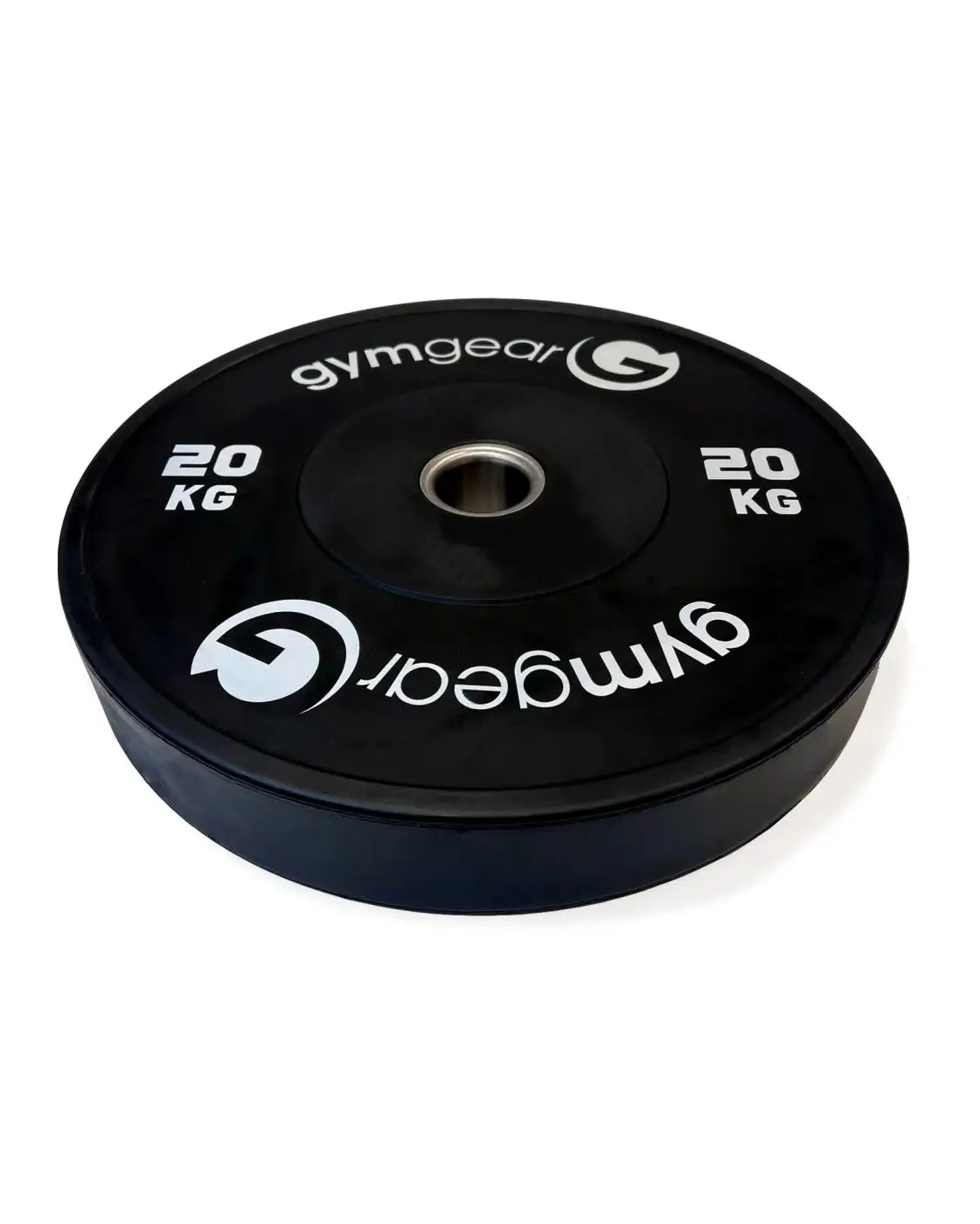
Gym Gear Black Bumper Plate, 20 kg
Three of these plates take 216 mm per sleeve before the collar.
Specifications, source links and outstanding checks in the full profile.
72 mm blue plate
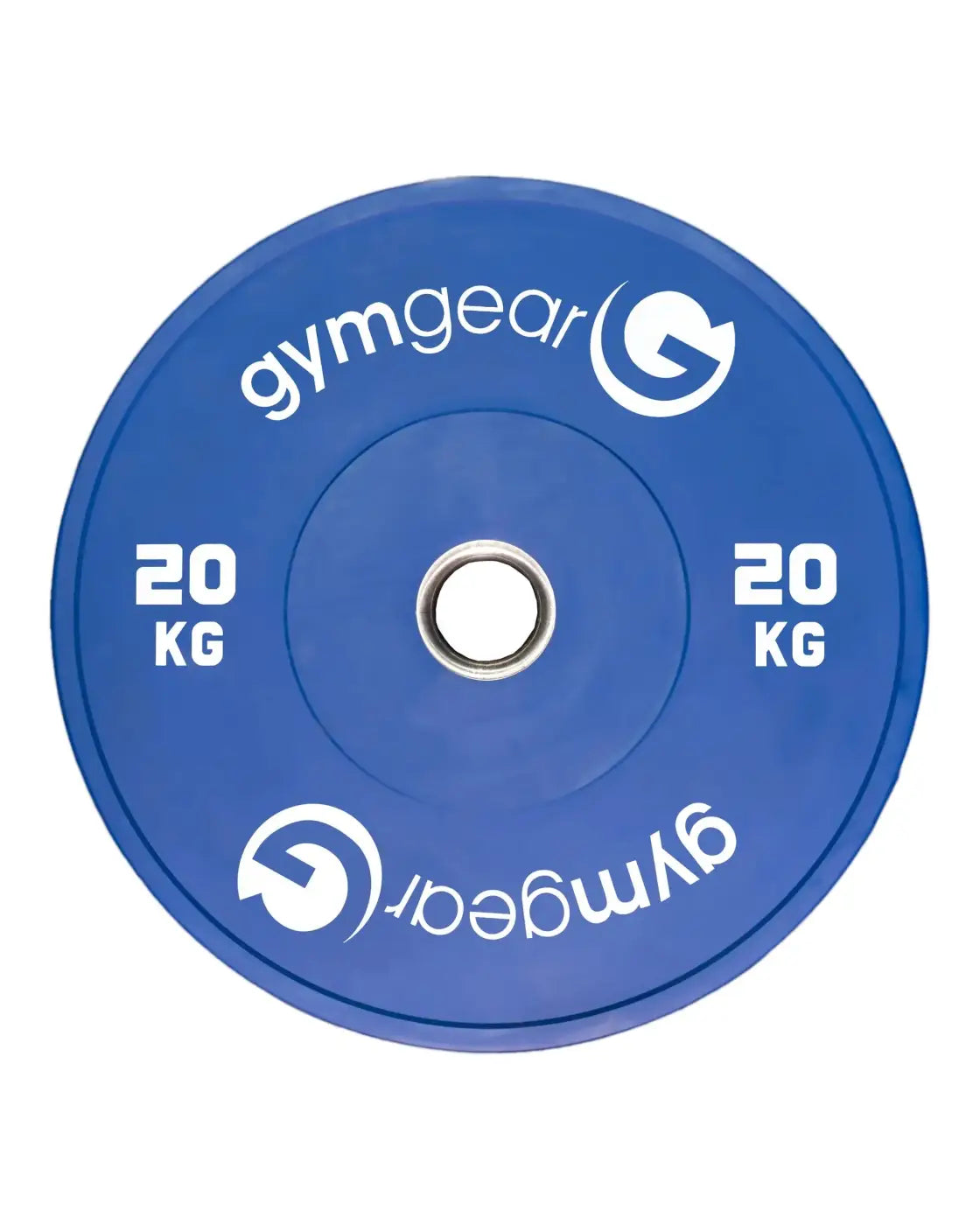
Gym Gear Coloured Bumper Plate, 20 kg (Blue)
The blue 20 kg option takes the same sleeve space as the black 20 kg plate.
Specifications, source links and outstanding checks in the full profile.
90 mm flecked plate
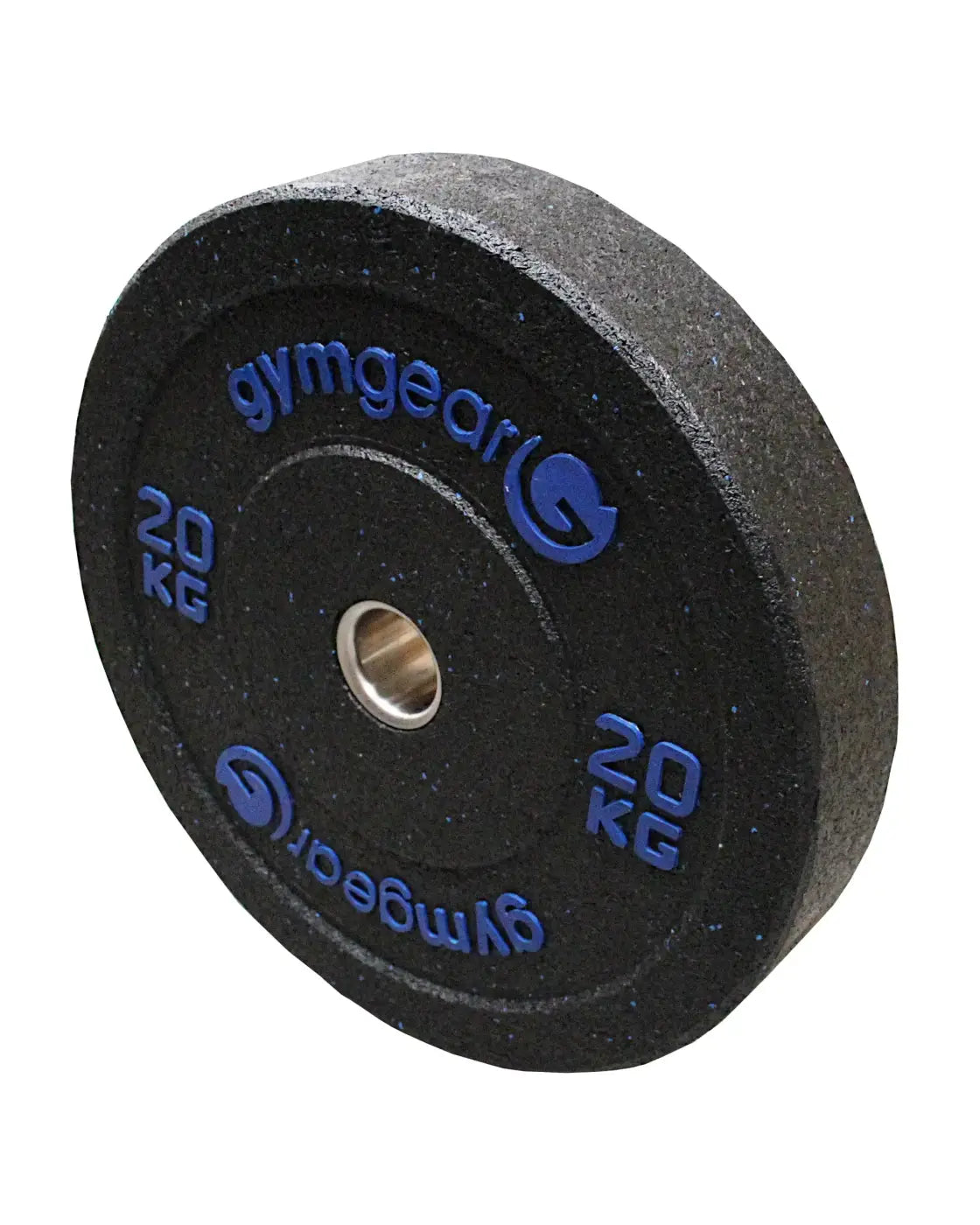
Gym Gear Hi-Impact Bumper Plate, 20 kg
Three of these plates take 270 mm per sleeve. The maker reports drop testing for this weight.
Specifications, source links and outstanding checks in the full profile.
Conclusion
When space on the sleeve matters, thickness at the intended denomination is the buying figure to compare. The two 72 mm examples use identical space despite their different colours.
The stack calculation is most useful with the exact sleeve length and collar requirement. The maker’s platform guidance and any published load limits still govern how the chosen equipment can be used.
Sources
Primary references used for factual claims in this guide. Product specifications apply to the named model and version.
- Gym Gear Black Bumper Plate, 20 kg: product specifications
Gym Gear. Accessed 9 Oct 2026.
- Gym Gear Coloured Bumper Plate, 20 kg (Blue): product specifications
Gym Gear. Accessed 9 Oct 2026.
- Gym Gear Hi-Impact Bumper Plate, 20 kg: product specifications
Gym Gear. Accessed 9 Oct 2026.