
Progressive Overload, Explained Simply
The single idea behind almost all training progress, minus the jargon.
By IRONINDEX · How we research
Introduction
Progressive overload sounds like a technical term, but the idea behind it is simple: to keep making progress, your body needs a reason to adapt, which generally means gradually asking a bit more of it over time.
Most people think this only means adding weight to the bar. That's one way to do it, but it's not the only one, and knowing the alternatives is useful for the weeks when adding weight isn't realistic.
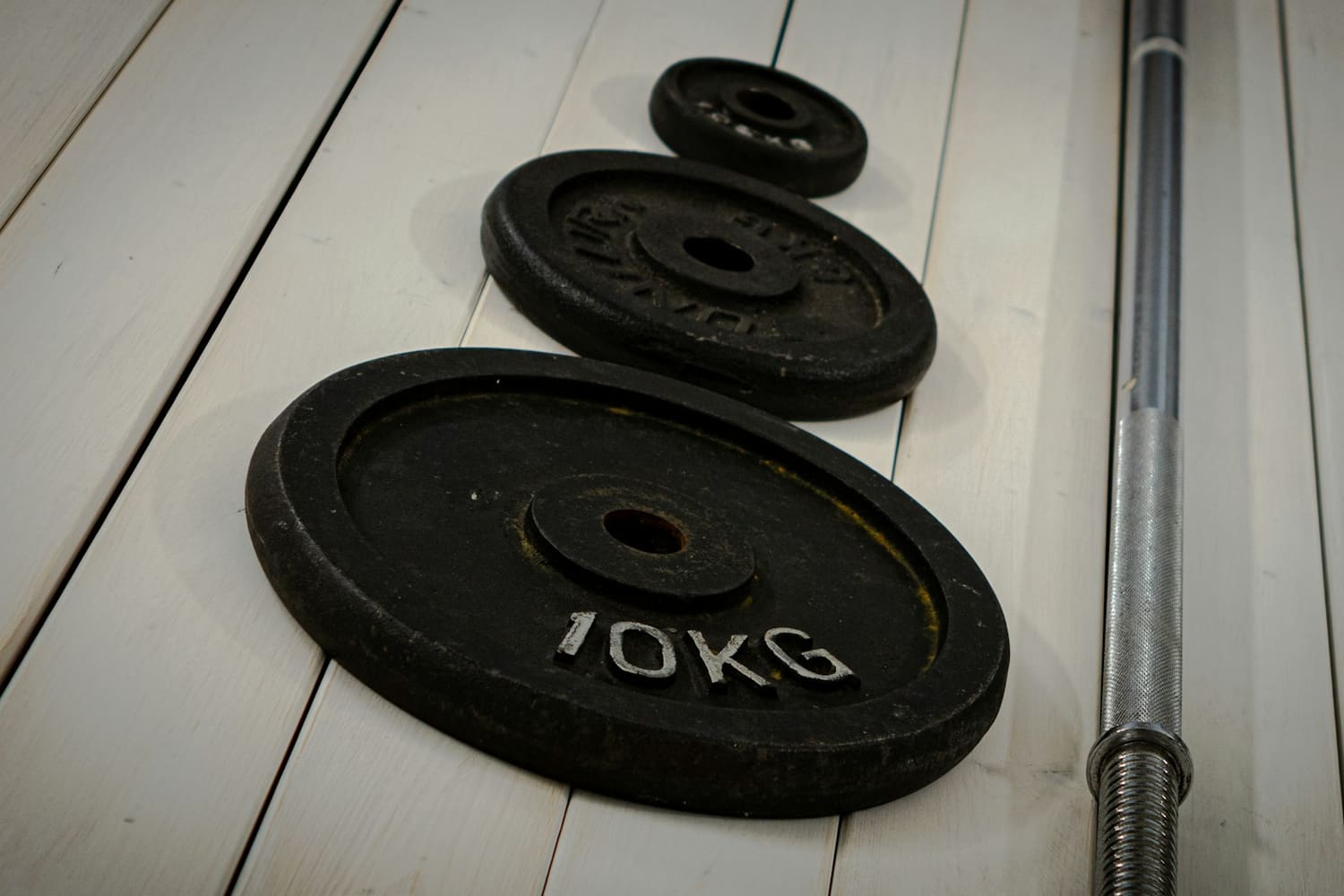
What to consider
- 01
It doesn't have to be every session
Progress happens over weeks and months, not every single workout. Expecting a personal best every session is a fast route to frustration.
- 02
There's more than one lever
Weight is the most obvious way to progress, but reps, sets, range of motion and technique all count too.
- 03
Plateaus are normal
Progress isn't linear, especially past the beginner stage. A few flat weeks isn't a sign something's wrong.
- 04
More isn't always the answer
Piling on extra weight or volume faster than you can recover from tends to backfire rather than speed things up.
Buying advice
Adding weight
Adding load is one progression option when the programme calls for it and the prescribed work is completed with the intended technique and effort. The appropriate increase depends on the exercise, equipment increments and person.
There's no need to force an increase every session. Progress can be judged over longer periods, and repeating a load can be part of the plan.
Adding reps or sets
If you can't add weight (a small home gym with limited plate increments, for instance), adding a rep or two to a set, or an extra set to the exercise, is a legitimate way to progress instead.
This is often the more practical option once weight jumps start feeling large relative to what you're already lifting.
Improving technique and range of motion
More consistent technique can make training easier to compare across sessions. Range of motion should follow the exercise plan and the person's capabilities rather than being increased simply to claim progression.
Recording technique changes separately from added weight, reps or sets keeps the training log easy to read.
When to just hold steady
During a stressful period, a bout of poor sleep, or when returning from a break, it's completely reasonable to repeat the same weights and reps rather than force progress. Maintaining what you've built is a legitimate short-term goal, not a failure.
Conclusion
Progressive overload means asking a little more of your training over time, through weight, reps, sets or better technique. It doesn't need to happen every session; progress over weeks and months is what counts.
Holding steady during a stressful period, after poor sleep or on returning from a break is a reasonable choice, not a failure. That's the whole idea, underneath the terminology.
Sources
Primary references used for factual claims in this guide. Product specifications apply to the named model and version.
- ACSM Publishes Updated Resistance Training Guidelines
American College of Sports Medicine. Accessed 21 Sept 2026.
- Resistance training prescription for muscle strength and hypertrophy in healthy adults
British Journal of Sports Medicine. Accessed 21 Sept 2026.
Related guides
3 min read
Reps and Sets Explained for Beginners
The numbers on a programme aren't arbitrary, but they're not sacred either. Here's what they're actually doing.