
Rust on Iron Weight Plates: What to Check Before Cleaning
Identify the finish before choosing a treatment. Cleaner instructions do not override the plate brand's care restrictions.
By IRONINDEX · How we research
Introduction
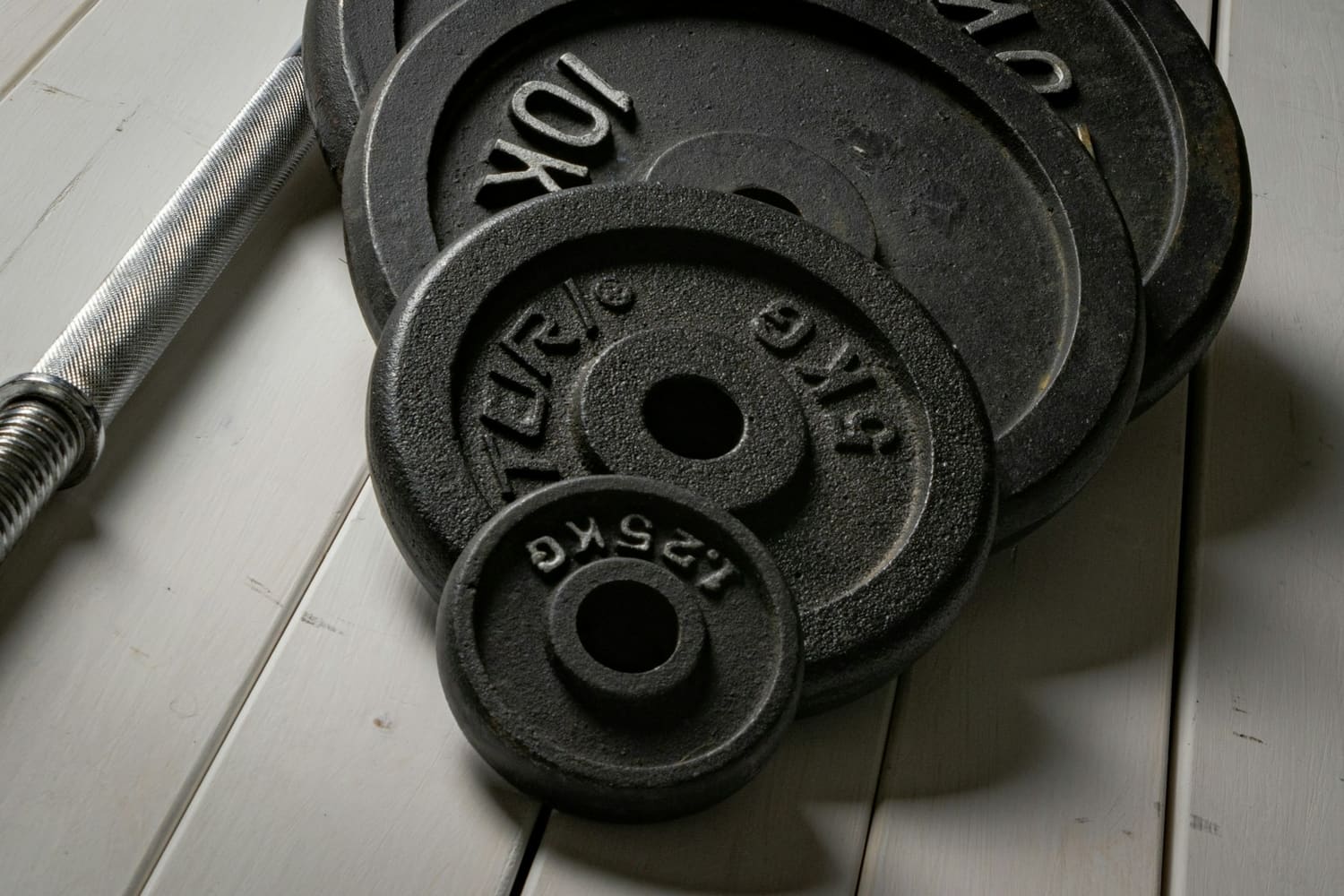
Before treating rust on a plate, it's worth finding out what covers the iron, whether the plate has inserts or other parts, and which treatment its brand allows. Soaking or wire-brushing an unidentified plate can damage the finish.
This guide helps you choose the next step. It isn't a tested restoration method, and removing visible rust can't show the condition of the metal underneath.
What to consider
- 01
Finish
Whether the affected area is bare metal, painted, plated or coated. If it can't be identified, the brand can usually say before any cleaner is used.
- 02
Condition
Cracks, loose inserts, deep pitting or flaking material are reasons to stop and seek advice, not marks to hide under fresh paint.
- 03
Permission
Both the plate's care instructions and the cleaner's label apply. A cleaner approved for iron doesn't settle how to treat the complete plate.
- 04
Prevention
Dry indoor storage is the simplest protection. Some brands say their plates should be kept from getting wet at all.
Buying advice
Not every plate can get wet
Eleiko's guidance for weightlifting and powerlifting discs says to keep them from getting wet and to store them in a dry indoor environment. That's a clear reason not to soak every iron plate as a matter of course.Source: Eleiko care information: weightlifting and powerlifting discs
Photos of the affected area and the model details let the brand say whether it permits local cleaning, soaking or refinishing, and what to do about damaged coating. If the answer is unclear, chemical treatment can wait.
What a rust remover's label does and doesn't say
CRC's UK Evapo-Rust page qualifies its paint statement: it names non-oxide-based paints. That doesn't tell you what your plate's coating is made of, and a small test patch can't confirm compatibility with hidden parts or show structural condition.Source: Evapo-Rust 2X5L: UK label directions and material limits
For items confirmed suitable, CRC's label directions are to pre-clean and rinse, soak, then rinse and dry. That's the cleaner's procedure, not permission to soak a particular plate; the current label and the plate brand's approval both apply.Source: Evapo-Rust 2X5L: UK label directions and material limits
Handling, protection and waste
The safety sheet linked from CRC's UK page specifies ventilation and eye and hand protection, and warns against runoff entering drains. The linked sheet is the Belgian English version 1.5, so the sheet for the product you buy, and local waste guidance, are the ones to follow.Source: Evapo-Rust safety data sheet, v1.5, BE-en (PDF)
A work area where heavy plates don't need balancing over an unsuitable container makes the job safer. Mixing cleaners, or using a household acid instead of a documented product, isn't advisable. The supplier can help if the instructions leave a step unclear.
A clean plate isn't a checked plate
After an approved treatment, the brand's drying and protective-finish instructions apply. An oily grip surface, paint over unidentified damage or a widened centre hole all create new problems.
If corrosion or loose parts raise a condition question, the plate is best kept out of use while the brand or a repair service assesses it. A cleaner appearance isn't a pass.
- The model and the affected finish are identified.
- The plate's brand confirms the proposed treatment and any restrictions.
- The current cleaner label and the right safety sheet are to hand.
- Handling, protective equipment, rinsing, drying and waste are planned.
- Any condition concerns are dealt with separately from cosmetic cleaning.
Conclusion
Rust treatment starts with knowing the plate's finish and what its brand allows. Many plates shouldn't be soaked, and a cleaner's label covers the cleaner, not the plate.
If the finish or the permitted method can't be confirmed, a quick enquiry to the brand is a better next step than a stronger brush or a longer soak. Dry indoor storage then helps stop the problem coming back.
Sources
Primary references used for factual claims in this guide. Product specifications apply to the named model and version.
- Eleiko care information: weightlifting and powerlifting discs
Eleiko. Accessed 21 Sept 2026.
- Evapo-Rust 2X5L: UK label directions and material limits
CRC Industries. Accessed 21 Sept 2026.
- Evapo-Rust safety data sheet, v1.5, BE-en (PDF)
CRC Industries Europe. Accessed 21 Sept 2026.
Related guides
Weight Plates
4 min read
How to Check Whether Weight Plates Fit Your Barbell
Match the plate bore to the loading sleeve, then check plate thickness and collar space. The grip diameter is a different measurement.
Home Gym
3 min read
Buying Used Gym Equipment: What to Check Before Paying
Check identity, history, recalls, missing parts and collection costs before deciding whether a used listing is worth pursuing.
Weight Plates
2 min read
Iron vs Bumper Plates: Which Should You Buy?
Material, dimensions and permitted use matter more than the category name. Check the exact plates, bar and training surface together.