
How to Reduce Home Gym Noise and Vibration
Start with the source of the noise and how it reaches adjoining rooms. Surface foam alone does not establish sound insulation.
By IRONINDEX · How we research
Introduction
Home-gym noise can travel through the air and through the building structure. England's Approved Document E treats airborne and impact sound as separate performance measures, which is a useful distinction even though it is not a retrofit guide for a home gym.
Start by identifying the event that causes the disturbance, such as a dropped weight, plates striking each other, a treadmill footfall or amplified music. The construction and path through the building determine which treatment is appropriate.
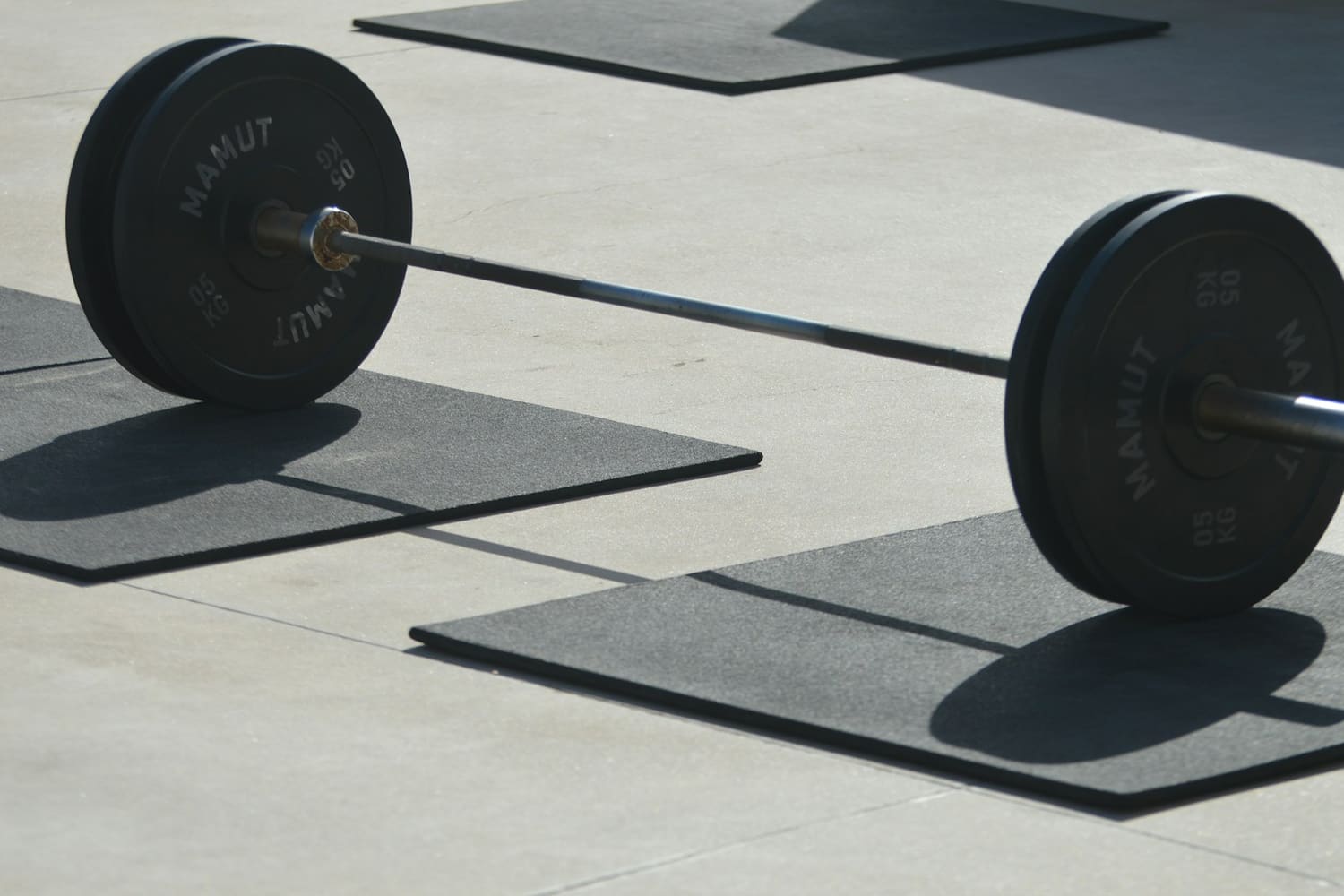
What to consider
- 01
Impact noise
A weight or repeated footfall can excite the floor structure. The result depends on the impact, floor construction and connections to adjoining rooms.
- 02
Airborne noise
Music and voices begin as airborne sound. Their transmission depends on walls, floors, doors, gaps and flanking paths, so a decorative surface treatment is not a measured solution.
- 03
Your lease
Check your tenancy agreement or building rules. Some restrict heavy equipment or noise at certain hours.
- 04
Floor loading
Noise treatment does not establish structural capacity. A landlord or building manager may identify rules or drawings, but a property-specific structural question may need a qualified engineer.
Buying advice
Stop the impact at the source
Avoidable impacts are the easiest place to start: handling plates without striking them together and setting equipment down as its brand allows. Equipment that isn't designed to be dropped shouldn't be.
If dropping is part of an approved use, the equipment and flooring brands can specify the surface and limits needed. A mat or pad may change the sound without proving that the floor or the room next door is protected.
Generic floor build-ups can't be relied on
Home-made recipes such as a rubber and board sandwich get recommended often, but how well a floor build-up works depends on the complete floor construction, the impact and the tested system.
For persistent disturbance, an acoustician can measure the problem and specify a system for the building. Evidence about impact sound under the actual load is what counts; a product being soft or thick isn't enough.
Cardio and airborne noise
For powered equipment, the installation and levelling instructions apply, and rattles or contact with walls are worth tracking down. Vibration mounts are only suitable where the equipment's brand permits them.
Headphones remove loudspeaker sound at source. Soft furnishings may change how sound echoes inside the room, but that's different from insulating one home from another.
Talking to your neighbours
Agreeing training times with neighbours, and asking them to say if noise is intrusive, can prevent a lot of friction. An agreed schedule doesn't show that the floor is suitable or replace any acoustic work needed.
Conclusion
Reducing gym noise starts with where it comes from and how it travels: through the air, like music, or through the structure, like dropped weights and footfall. Removing avoidable impacts and following the equipment instructions deals with much of it.
If disturbance continues, an acoustician's advice based on your building is more reliable than a generic foam, mat or platform recipe. Agreeing training times with neighbours helps too, though it doesn't replace any acoustic work needed.
Shortlists
Products in our index that meet one stated rule, checked against published specifications. Each list is ordered by name, not ranked, and links to retailers.
Shortlist · Accessories
Interlocking gym flooring
7 of 10 floors qualify
- Gym Gear 20mm Premium Black Rubber Tile (Grey Fleck), 1 m × 0.5 mUnder £50
- Gym Gear 30 mm Green Sled Track Turf Tile, one white line£50 to £100
- Gym Gear 30 mm Green Sled Track Turf Tile, two white lines£50 to £100
- and 4 more
Shortlist · Accessories
Rubber gym flooring 20 mm or thinner
6 of 10 floors qualify
- Gym Gear 15mm EPDM Premium Black Rubber Tile, 1 m × 1 mUnder £50
- Gym Gear 20mm Premium Black Rubber Tile (Grey Fleck), 1 m × 0.5 mUnder £50
- BodyMax Commercial Rubber Gym Mat, 180 × 120 cm × 10 mm£50 to £100
- and 3 more
Sources
Primary references used for factual claims in this guide. Product specifications apply to the named model and version.
- Resistance to sound: Approved Document E
UK Government. Accessed 21 Sept 2026.